Product Information
Product Description
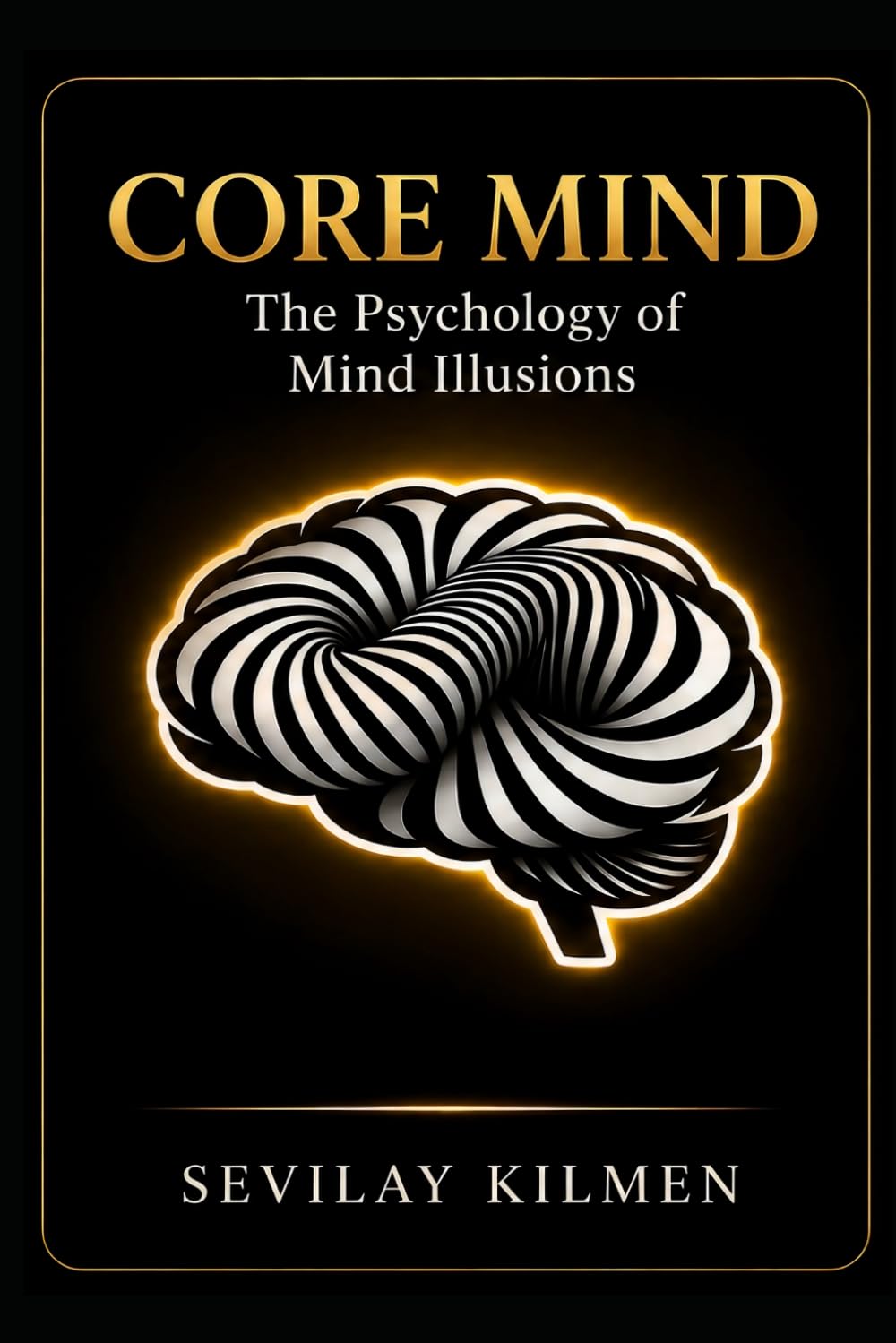
Why do intelligent people make irrational decisions?Why do we misjudge people within seconds? Why do we remember the same event differently? Why do we cling to beliefs even when evidence suggests we're wrong?The answer isn't a lack of intelligence. It's the way the human mind is designed.Our brains rely on powerful mental shortcuts to process an incredibly complex world. Most of the time these shortcuts help us make quick decisions. But they can also create invisible distortions that influence our judgment, shape our beliefs, and guide our choices without us ever realizing it.In Core Mind, Dr. Sevilay Kilmen takes readers on a fascinating journey into the psychology of cognitive biases and mental illusions. Drawing on decades of psychological research, classic social psychology experiments, and everyday examples, she explains why our minds work the way they do and how these hidden patterns influence nearly every aspect of our lives.Inside this book, you'll discover:Why emotions often influence decisions more than logicWhy memory is far less reliable than we believeWhy first impressions can be surprisingly misleadingHow confirmation bias, the sunk cost fallacy, the halo effect, and many other cognitive biases shape everyday thinkingWhy social media amplifies mental biases more than ever beforePractical strategies to recognize these invisible traps and make clearer, more thoughtful decisionsWritten for curious readers rather than psychology professionals, Core Mind transforms complex scientific concepts into engaging, accessible insights that anyone can understand and immediately apply. Whether you're interested in psychology, decision-making, critical thinking, leadership, education, or simply understanding yourself better, this book offers a new perspective on how the mind really works.This book doesn't promise perfect thinking.Instead, it offers something far more valuable: the ability to recognize when your own mind may be misleading you.Because better decisions don't begin with having all the answers.They begin with asking one simple question:What if I'm wrong? Read more