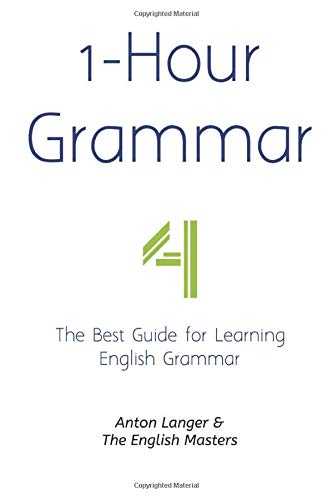
Product Description
Proper grammar is essential to being understood. Writing is an essential form of daily communication. Between emails, text messages, reports, papers, and tweets, everyone writes. Proper grammar ensures that your message is not lost. You might have the greatest message in the world, but that message will lose its impact if you litter the message with grammatical errors. A misplaced comma or a typo might not seem like a big deal, but it can change the entire meaning of your sentence. For example, imagine a friend asked which company you used for your new carpet installation, and you responded with one of the following emails. • We used Lowes for our carpet installation. Great! The message is clear. • We sued Lowes for our carpet installation. The message is clear, but the meaning is very different. Two letters were reversed in the word used, and it changed the entire meaning. Typos can sometimes form correctly spelled words with very different meanings. Correct grammar reveals the writer’s attention to detail, competency, and professionalism. If it seems like the writer is too distracted or sloppy to learn the rules of grammar, it begs the question, where else are they distracted and sloppy. Your written words are representing you. You want the reader to focus on your message and not your mistakes. Proper grammar is essential for formal writing in the academic world and in the business world. In school, many instructors will deduct points from an assignment for each grammatical error. Those points add up quickly and can lower your grade significantly. In business, resumes and cover letters are your tickets to an interview. If your cover letter is filled with grammar errors, it is not likely that you will even receive an interview. Kyle Wiens, CEO of iFixit, said: “If it takes someone more than 20 years to notice how to properly use “it’s,” then that’s not a learning curve I’m comfortable with. So, even in this hyper- competitive market, I will pass on a great programmer who cannot write. Applicants who don’t think writing is important are likely to think lots of other (important) things also aren’t important. After all, sloppy is as sloppy does.” Read more