Product Code: B0HDYKCNKR
Electric Automatic Case Erector & Carton Box Opening Machine with PLC Control and Tape Sealing
$6,666.00
Product Information
Availability
Usually ships within 4 to 5 weeks
Seller
TD Mech
About this item
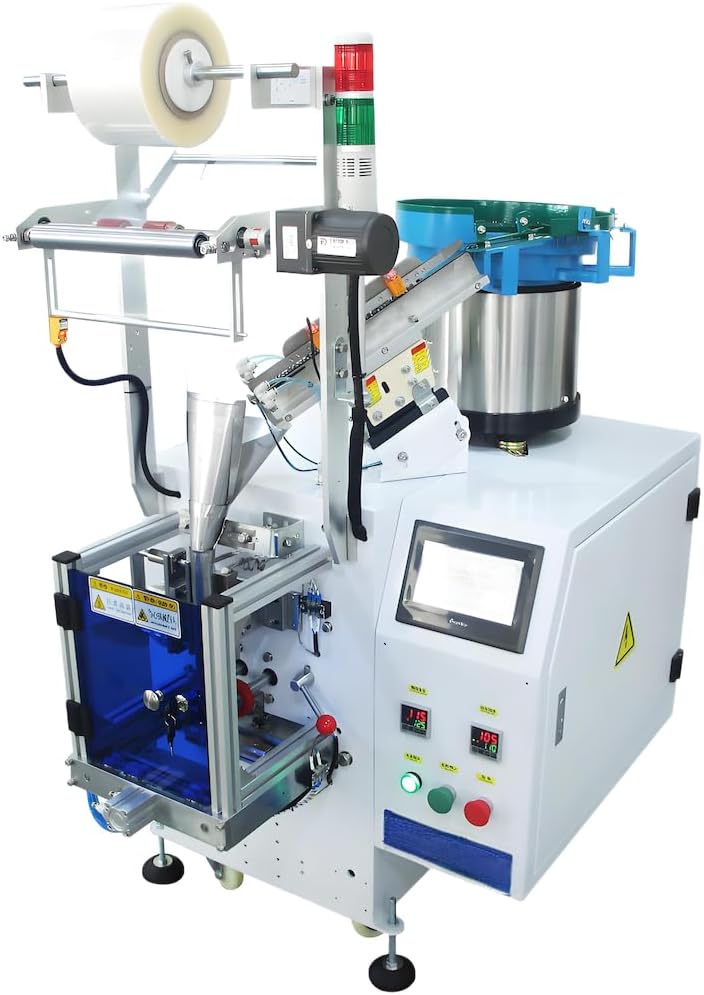
- The vibration plate feeder sorts and counts even irregularly shaped items with high accuracy, reducing errors and waste. Ideal for industries such as construction, automotive, and manufacturing, this machine offers a fast, reliable solution for high-volume packaging. Its robust design and customizable settings improve efficiency, lower labor costs, and boost productivity, making it a valuable tool for businesses seeking precision and reliability in their packaging operations.
- 1. Type and Size of Hardware Different hardware items require different handling characteristics. The machine’s ability to handle various sizes, shapes, and weights is key to ensuring efficiency in your packaging process.
- Small, Uniform Parts (e.g., screws, nuts, washers): For small, consistent hardware items, choose a machine that is designed to handle light parts with minimal variation. The vibration plate feeder should be able to precisely align and feed these parts quickly and consistently into the packaging system.
- Larger or Irregularly Shaped Parts (e.g., bolts, nails): For larger or irregularly shaped components, select a machine with an adjustable vibration feeder that can accommodate variations in shape and size. You may also need to opt for a machine with a wider vibration plate and custom-designed trays to prevent jams or misfeeds.
- 2. Production Volume and Speed The required production speed and volume are important factors to consider. Packaging hardware typically involves high throughput, so the machine's speed and efficiency are critical.
- Low to Medium Volume Production: For smaller-scale operations or lower-volume production, a semi-automatic machine or a lower-speed model may suffice. These machines offer a cost-effective solution while still maintaining reliable performance for moderate output.
- High Volume Production: If you're dealing with high-volume, continuous production, a fully automated model with a high-speed vibration plate system is necessary. This will allow you to package large quantities quickly, ensuring that your operations remain efficient and cost-effective.
- 3. Packaging Format and Container Types Consider the types of packaging and container formats required for your hardware products. Different hardware products may need to be packaged in various formats, such as pouches, bags, or boxes.
- Bags or Pouches: If you need to package hardware in bags or pouches, look for a machine with adjustable filling and sealing capabilities that can handle flexible packaging materials. The machine should have the ability to handle both small and large bag sizes. Boxes or Bulk Containers: For bulk packaging in boxes or trays, choose a machine designed for high-volume, bulk packaging that can fill large containers efficiently while maintaining accurate counts of the hardware products.


